Transforming Burakari Marshland: A Sustainable Future Taking Shape
For many years, the people living around Burakari marshland faced recurring hardships caused by flooding, poor agricultural infrastructure, and limited connectivity. Today, that story is changing. Through the Rehabilitation Works of Rubuyenge–Burakari Marshland, implemented by Open Construction and Related Services Ltd (OCRS), a long-awaited transformation is underway.
Covering approximately 107 hectares, this ambitious project aims to restore the marshland into a productive, resilient, and well-organized agricultural area that will improve livelihoods and create lasting social and economic benefits for the surrounding communities.
Project Overview
The rehabilitation of the Rubuyenge–Burakari marshland is a major infrastructure and agricultural development initiative designed to maximize the potential of the area while protecting communities from the challenges they have endured for decades.
The project officially commenced on 22 September 2025 and is expected to be completed within eight months.
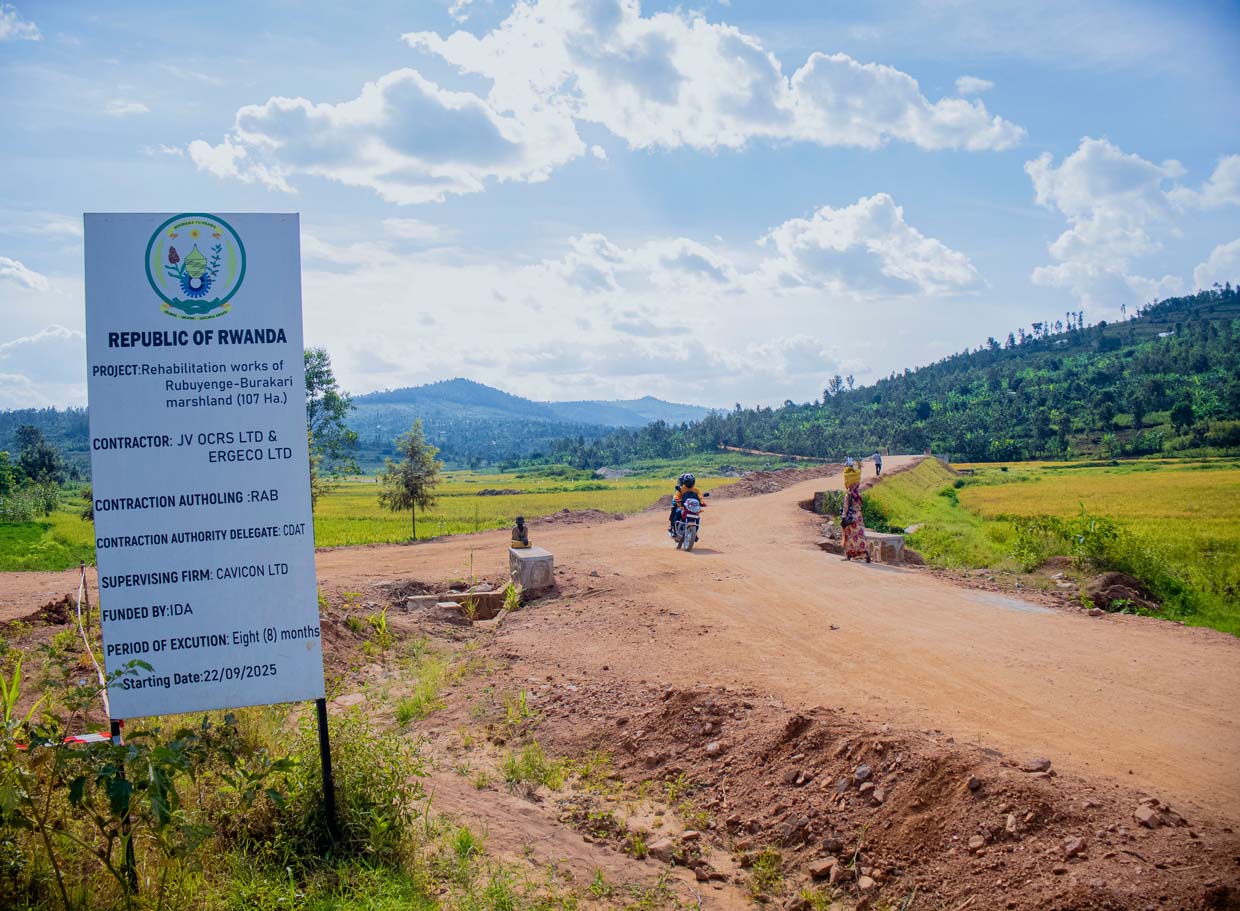
The scope of works includes:
- - Construction of an efficient water canalization system to regulate water flow throughout the marshland;
- - Development of irrigation and drainage structures to support sustainable rice cultivation;
- - Construction of designated drying and collection facilities where farmers can safely dry and store harvested produce;
- - Building of bridges and access roads to improve movement and connectivity within and around the marshland.
According to the current progress observed on site, the works have advanced significantly, with visible improvements already inspiring optimism among local residents.
The Challenges That Once Defined Burakari
Before the launch of this rehabilitation project, Burakari marshland was known not only for its agricultural potential but also for the serious challenges that affected the daily lives of the surrounding communities.
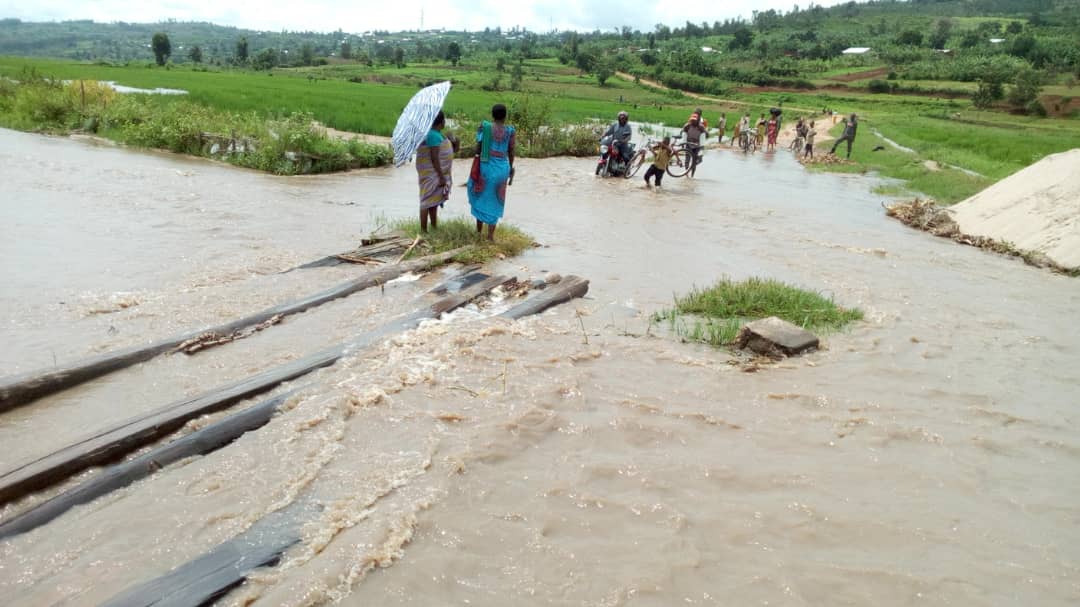
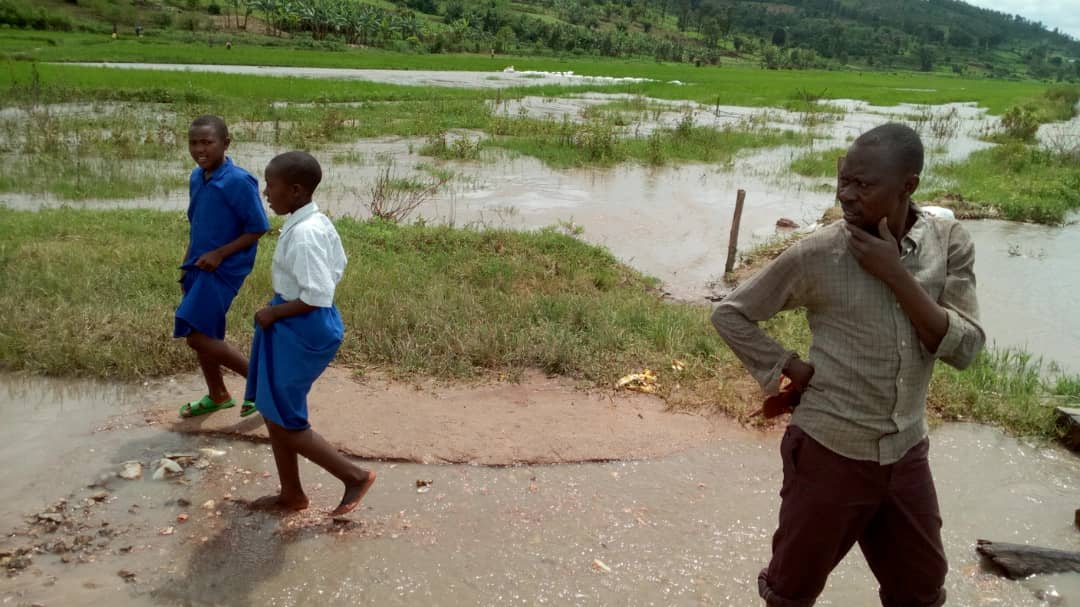
The Burakari River frequently overflowed during the rainy seasons, causing devastating floods that destroyed crops and, in some tragic instances, claimed human lives. Families often faced severe food shortages and economic losses as entire harvests were washed away.
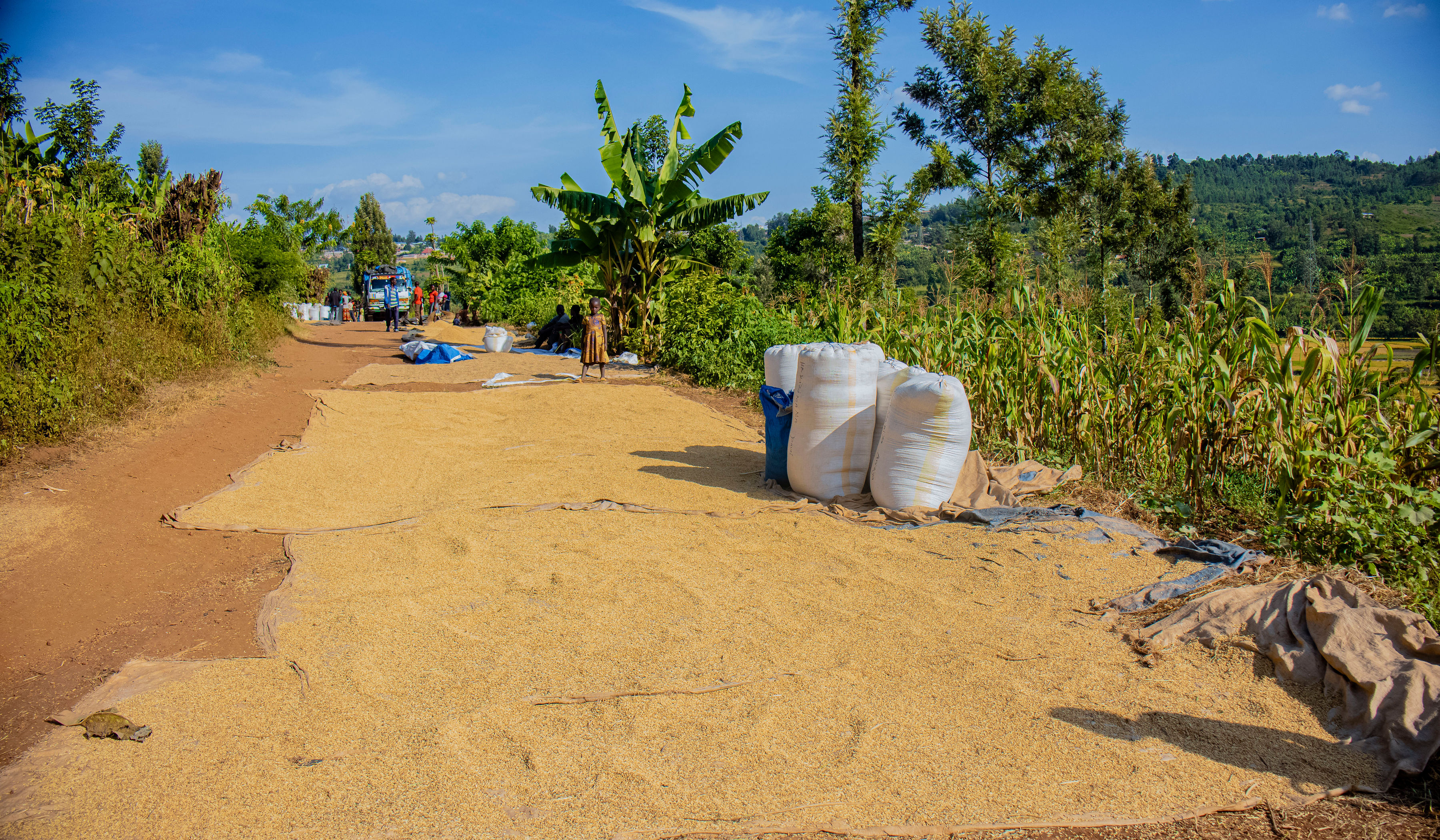
Farmers also struggled with the absence of proper post-harvest infrastructure. Without designated drying facilities, large quantities of produce deteriorated in households, reducing both quality and income.
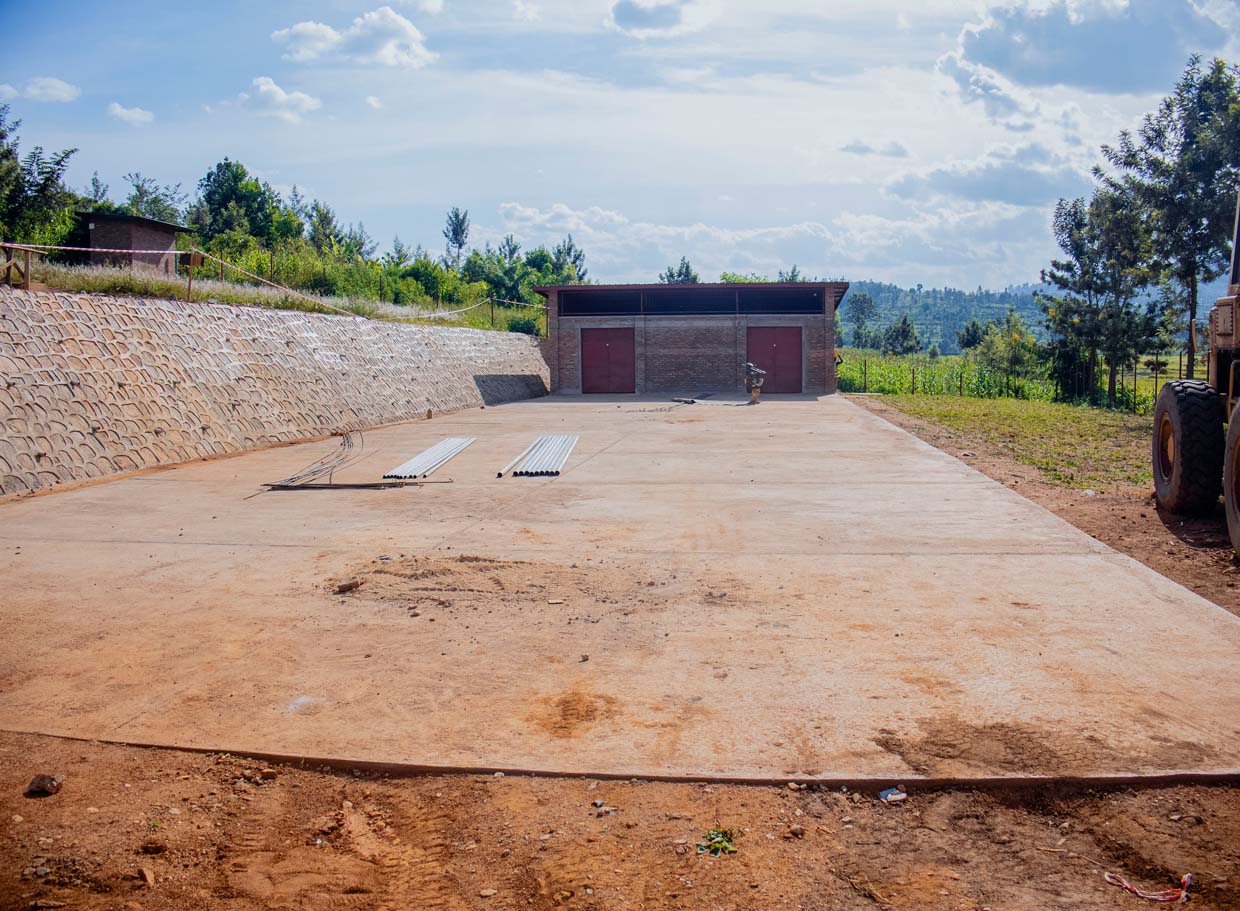
Disputes over irrigation water became increasingly common. With no structured system for water distribution, farmers regularly found themselves in conflict over access to the resources needed to sustain their fields.
Transportation and trade were equally affected. Whenever heavy rains flooded the marshland, communities became isolated. People found it difficult to travel, access essential services, visit neighboring villages, or conduct business activities. What should have been an asset to the community had instead become a source of uncertainty and hardship.
A Lasting Solution for Future Generations
Today, hope is replacing uncertainty.In an interview conducted at the project site, Engineer HABIMANA Patrick, the Project Manager overseeing the rehabilitation works, explained that the interventions being implemented are designed to provide sustainable and long-term solutions to the challenges faced by the community.
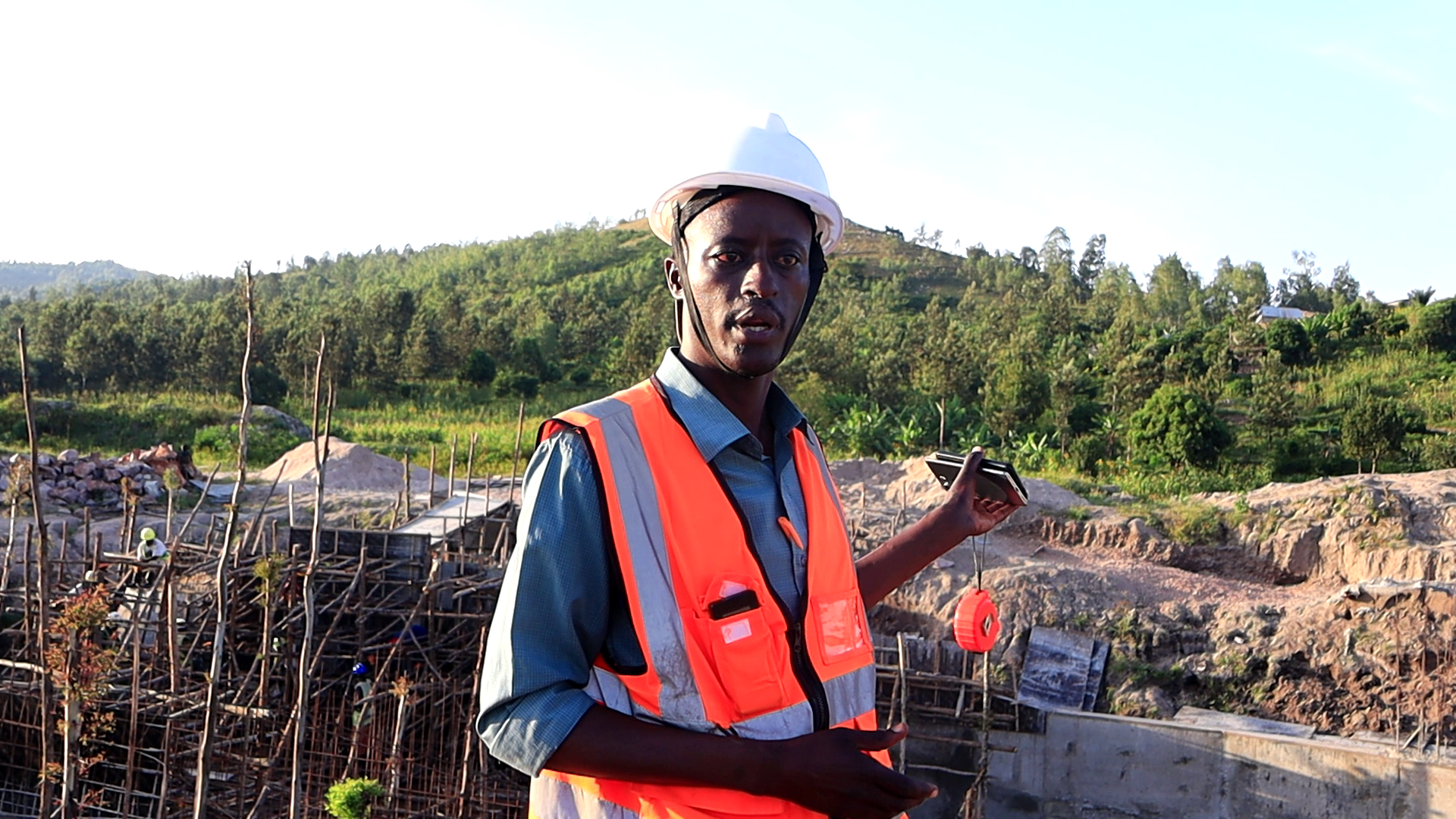
The newly developed canalization system will enable fair and efficient water distribution, minimizing conflicts among farmers while ensuring that irrigation needs are adequately met. Improved drainage mechanisms will help control flooding and protect crops from seasonal water damage.
The construction of modern drying facilities will significantly reduce post-harvest losses, allowing farmers to preserve the quality of their produce and improve their market returns.
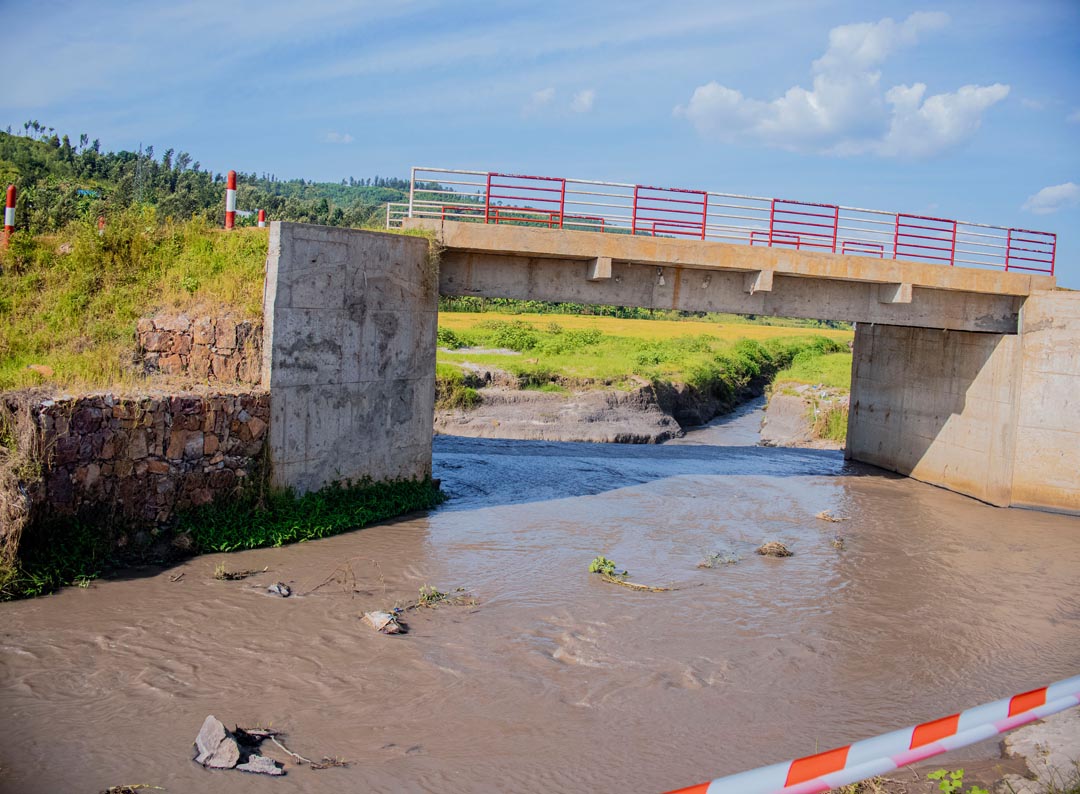
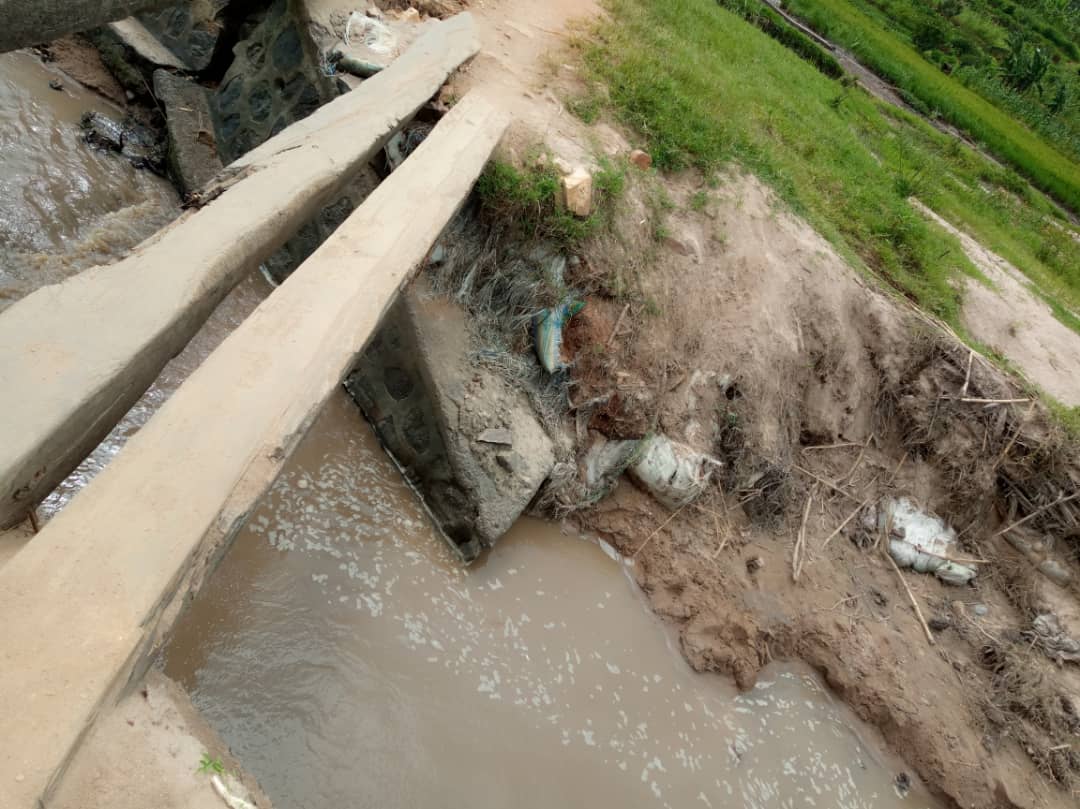
At the same time, the development of bridges and access roads will reconnect communities that were previously cut off during periods of heavy rainfall. Residents will be able to move more freely, access markets with ease, and strengthen social and economic interactions.
As local residents observe the progress achieved so far, many express confidence that the difficulties that once characterized Burakari will soon become part of history.
The rehabilitation of the Rubuyenge–Burakari marshland represents more than an infrastructure project. It is an investment in food security, safer communities, improved livelihoods, and sustainable rural development. Through the commitment and expertise of Open Construction and Related Services Ltd (OCRS), Burakari is steadily being transformed into a model of resilience and opportunity—demonstrating how well-planned infrastructure can restore hope and unlock the potential of an entire community.
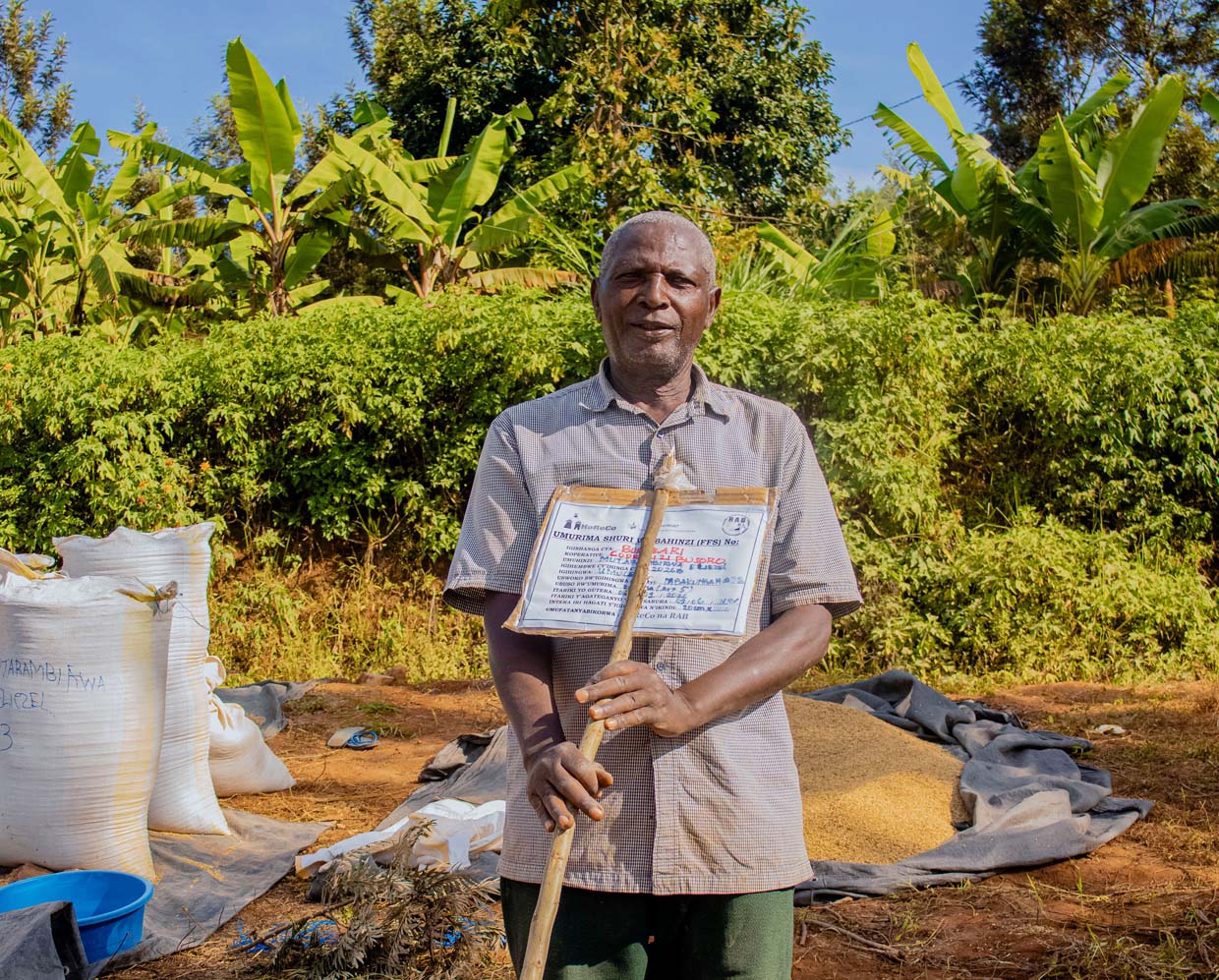
By restoring the land, improving infrastructure, and empowering farmers, OCRS is not simply building structures—it is helping build a better future for Burakari